 PRECISION
Can an existing silicone steel mold be modified?
Separate a feasible steel change from a risky promise to reuse everything.
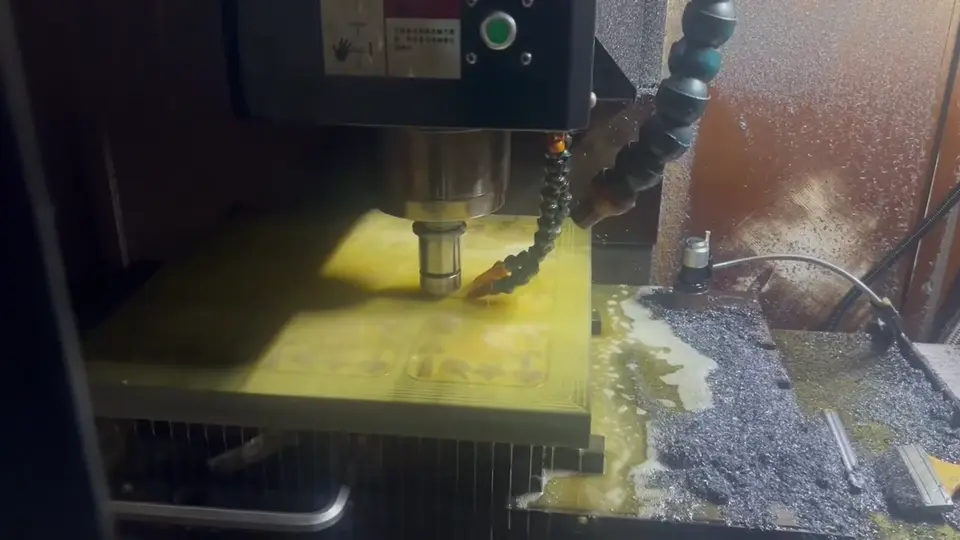
WYD-supplied workshop footage. General engineering guidance; project feasibility requires drawing review.
Start with the existing tool condition
Send tool drawings if available, clear photographs, the current part drawing and the proposed revision. Identify cavity wear, damage, previous repairs and the material currently molded. A drawing comparison alone cannot establish the condition of the steel.
Mark exactly which surfaces change. Adding cavity volume and reducing cavity volume usually require different repair strategies.
Compare modification and replacement
The engineer may consider machining, a replaceable insert or rebuilding an affected component. Access, remaining wall thickness, heat treatment and surface requirements can limit the choices. Request a feasibility review before accepting a fixed repair scope.
Ask whether the change affects venting, alignment, demolding or adjacent cavities. A small product change is not always a small tool change.
Control the revision
Confirm the revised drawing and identify which cavities receive the modification. Define the inspection and sample trial required after work is completed.
Retain before-and-after records and an approved sample. If the old revision may be needed later, discuss interchangeable inserts or separate tooling before irreversible machining starts.
What to send with your question
Include the drawing revision, part function, material and hardness, target quantity, press details if applicable, and photographs of the issue. Mark the dimensions or surfaces that determine acceptance.
Use the quotation checklist · Plan sample acceptance
Discuss your tooling requirement.
Prepare your drawing and requirements for engineering review.